Window on Infinity - Room 03
Ensemble
Meditating on colour
Colour, light and texture: Jef Verheyen uses them to make us think about emptiness. He finds inspiration for this in East Asian thinking and in traditional Chinese artistic crafts. To paint with one colour (monochrome) or with the absence of colour (achrome)? After 1957 Verheyen ponders this question. His meeting with Piero Manzoni and Lucio Fontana in Milan at the end of 1958 increases his desire to experiment. Shortly after this he plans an Antwerp exhibition of international monochrome painters.
That project is abandoned. But in 1960 a similar exhibition is held in Leverkusen, Germany. Verheyen and the monochrome painters put themselves firmly on the map. Their ‘artless art’ offers an alternative to the refined touch of the Impressionists and the grand gesture of the Abstract Expressionists. For them, only the poetry of pure matter counts, of colour or absence of colour. Because, as Verheyen writes: ‘In a monochrome or achrome painting, light must be felt rather than seen.’

Items
View all-
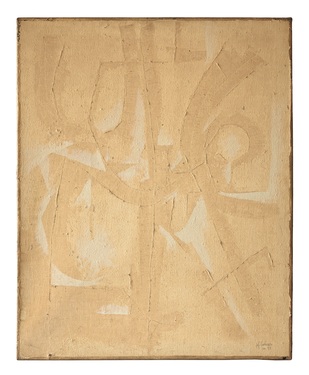
• 0657 • Monochrome - Ach...
Jef Verheyen, • 0657 • Monochrome - Achrome I , 1958. Painting, oil paint on burlap, 92 x 73 cm.
-
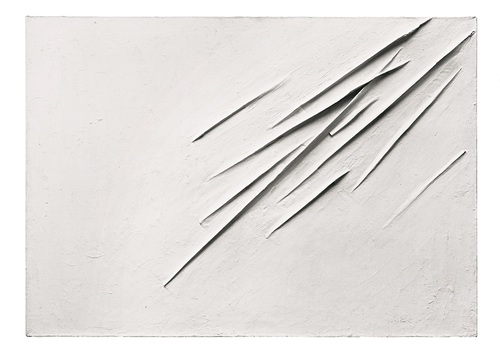
Weisses Strukturbild
Hermann Goepfert, Weisses Strukturbild, 1958. Painting, papier-mâché and paint on canvas, 85 x 120 cm.
-

Untitled (voor Jef Verhey...
Guy Vandenbranden, Untitled (voor Jef Verheyen), 1958. Painting, 60 x 60 cm.
-
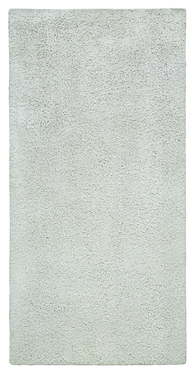
M 69, Monochrome blanc
Yves Klein, M 69, Monochrome blanc, 1958. Painting, pure pigment, synthetic resin and coating on glued canvas, nailed on plywood, 100 x 50 cm.
Actors
View all-
Frank Philippi
After studying at the Royal Academy of Fine Arts in Antwerp, Frank Philippi choses photography over painting. It was his greatest hobby, but
-

Guy Vandenbranden
*"la géometrie, contrairement à ce que croient les ignorants, donne les plus profondes voluptés"*. (Guy Vandenbranden) De naoorlogse kuns
-

Piero Manzoni
[Piero Manzoni](http://www.pieromanzoni.org) (1933–1963, Italy) was a precocious painter and writer of manifestos, notably Per una pittura or
-
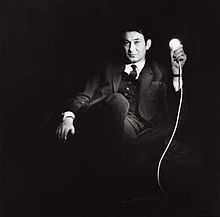
Otto Piene
Otto Piene, with Heinz Mack, publishes the review Zero (three issues) starting in 1958. The name Zero was also chosen as a collective name w